
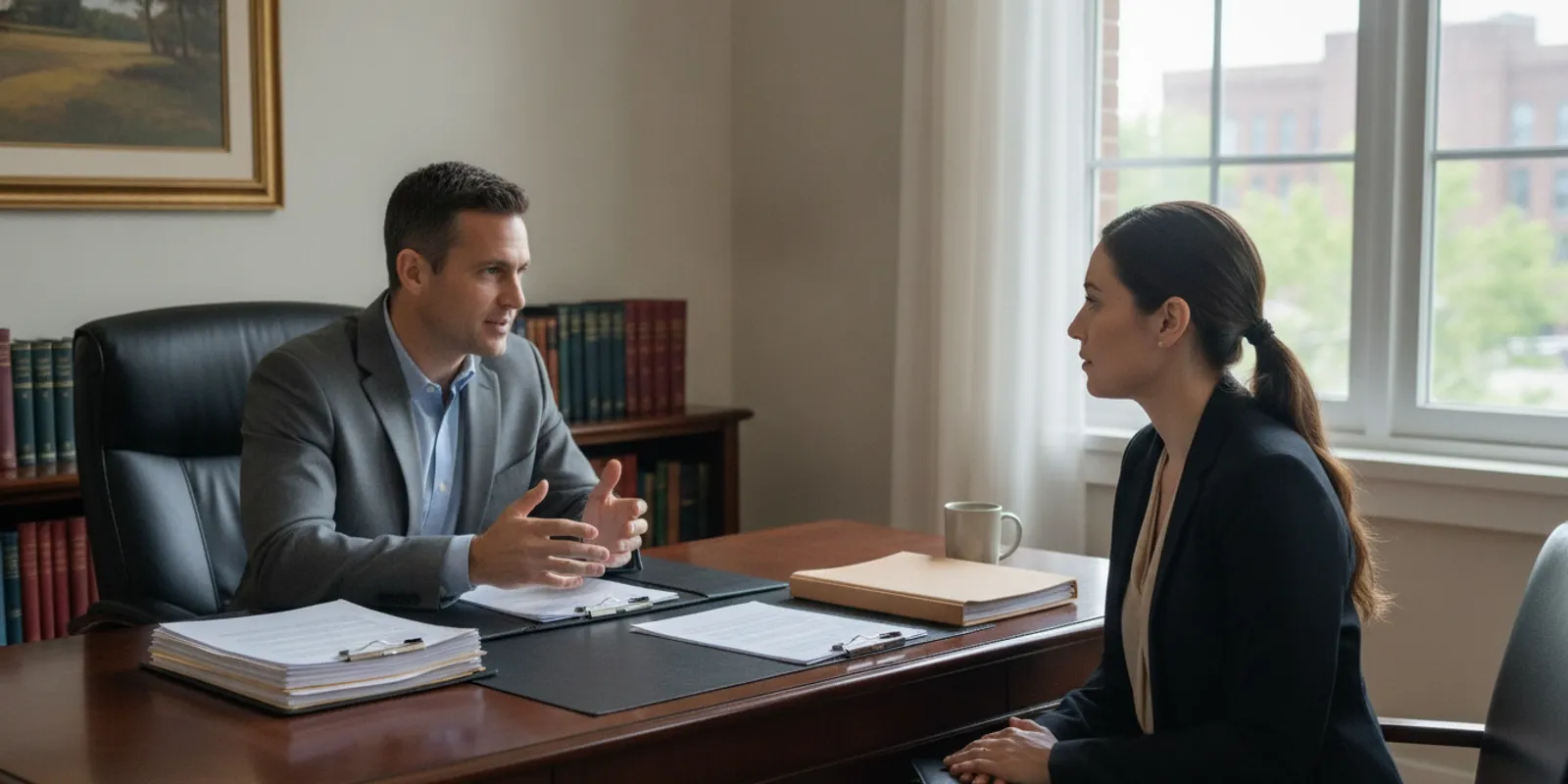
If you are looking for a domestic violence lawyer Virginia residents can consult, it may be because safety, family relationships, and important decisions feel tangled together. A focused conversation can help you understand possible immediate steps, what information matters, and which questions still need answers. If you are in immediate danger, call 911 or move to a safer place if you can.
Request a No Hassle Legal Strategy Meeting
This article offers general information, not legal advice for a specific situation. The right options depend on the facts, current orders, and applicable law. Avoid taking a step based only on an online article; discuss your circumstances with qualified counsel or a local support provider.
What should you ask a Virginia domestic violence lawyer first?
Start with the problem you need help solving now. You do not need to arrive with a complete legal theory or every document. You can say what happened, whether you feel safe, and what decision is pressing. Ask the lawyer to explain what they understand, identify missing facts, and distinguish urgent choices from issues that can wait.
Helpful opening questions include:
- What legal options may apply to the situation I have described?
- Is there anything time-sensitive I should understand before taking action?
- What facts could change the available options?
- How might an existing custody, divorce, or protective order affect the next step?
- What can I do if the other person contacts me or comes to my home?
Ask for plain-language explanations. If you do not understand a term, ask the lawyer to define it and explain what it means in practice. You can also ask what the lawyer cannot determine yet and what information would help.
How can you address immediate safety concerns?
Legal planning and immediate safety planning are related, but they are not the same. If you believe someone may harm you or another person imminently, contact emergency services. For confidential support and referrals in Virginia, the state Department of Social Services lists domestic violence support and services, including hotline and local resources. Use a device or account you believe is safe when seeking help, if possible.
When speaking with a lawyer, explain whether you share a home, have children together, have access to a safe place, or face threats involving weapons, stalking, or repeated unwanted contact. Mention practical concerns such as retrieving medication or important documents. You do not have to resolve every safety detail in one legal meeting. A local advocate can help with safety planning and services separate from legal representation.
Ask directly what to do if danger escalates before a court can address a request; how to seek an emergency protective order and where to apply; what information to give an advocate or emergency responder; and how to handle communication if you share children or essential responsibilities. These questions help separate an immediate safety problem from a longer-term legal issue. If the immediate concern is a safe place to sleep, transportation, medication, or a way to contact a support person, say that plainly. Practical needs can affect which options are realistic today.
Do not assume that a lawyer can guarantee a protective order or a particular court result. Counsel can explain process and help you consider relevant facts; a court makes decisions under applicable law. If a planned step might alert the other person or increase risk, tell the lawyer or advocate before taking it. Do not put yourself in danger to gather papers, take photographs, or retrieve property.
What should you ask about protective orders?
Ask the lawyer to explain which types of protective orders may be relevant to your circumstances, where a request is filed, and what happens after filing. Ask what information the court may need, how service and hearings work, and what to do if an order is issued or violated. The lawyer should also clarify whether a request could overlap with pending family-court matters.
Consider asking which court or process to ask about; what to bring or describe; what restrictions an order can address and what it does not do; how each stage might proceed and what to do while waiting; and how to obtain and understand an existing order. Ask how to get a copy of any order and whom to contact if you do not understand its exact terms.
For instance, a person may have a hearing coming up while still sharing parenting responsibilities. That person should ask how the pending hearing, existing custody terms, and any requested protective conditions fit together. Another person may have an order but be unsure whether a particular message or visit violates it. In that situation, provide the exact order and describe the contact without guessing about its legal effect. The lawyer can help identify what needs clarification and what steps are appropriate.
Read any order carefully and follow its terms. Do not rely on informal assurances that conflict with a court order. If a provision is unclear, ask counsel or the court for appropriate clarification rather than guessing. Keep a copy accessible if safe, and ask what to do if the other person violates the order. For immediate danger, contact emergency services.
How might domestic violence concerns affect custody or divorce?
When children or a relationship are involved, domestic violence concerns may intersect with custody, visitation, support, or divorce proceedings. Do not assume the answer is the same in every case. Tell the lawyer about existing orders, scheduled hearings, school or exchange arrangements, and any direct safety concern involving a child. Ask how to raise the concern through the proper process and what interim arrangements may be considered.
Questions to discuss include whether a pending custody or divorce case affects where you raise the issue; what to do about an upcoming exchange or court date; how to share safety concerns about a child without putting the child in the middle; what records or third-party information may be useful; and how to handle parenting communication while following current orders.
Do not withhold a child, change an exchange plan, or disregard an order based solely on general online information. If you believe an immediate emergency exists, prioritize safety and contact emergency services, then promptly seek case-specific legal guidance. Holcomb Law provides family law information and services for people dealing with domestic-relations matters.
It can help to separate the questions into three categories before a meeting: what must happen today to protect safety; what current court order requires; and what longer-term parenting or divorce issue needs a formal decision. For example, a parent may need to know how to make an exchange safer without changing the schedule, while also asking how to bring new concerns to the court. Writing these issues separately can reduce the chance that an urgent concern gets lost in a broader discussion.
What information should you collect before a legal meeting?
Bring what you can, but do not delay urgent help because your records are incomplete. A short timeline can help the lawyer understand what happened and what changed recently. Include approximate dates, locations, people present, and whether law enforcement or medical providers were involved. Be candid about facts that may be difficult or that you fear could be misunderstood.
Depending on your circumstances, useful items may include existing protective, custody, or divorce orders and court notices; relevant messages, emails, call logs, photographs, or saved voicemails; police incident numbers or records you already have; names and contact details of witnesses, if safe and appropriate to share; upcoming hearings, exchanges, or deadlines; and questions about housing, finances, children, or access to belongings.
A timeline need not be polished. A simple entry might say: approximate date and time; what happened; who was present; whether there is a related message, photograph, or report; and what happened next. Mark what you know firsthand and what someone else told you. If a date is uncertain, label it as approximate rather than filling in a guess. Include events that seem unhelpful or complicated too. A lawyer needs an accurate picture, not a carefully edited version.
Preserve original records where possible. Do not edit messages or images to make them look clearer, and do not access another person’s account or device without authorization. Ask how to store and share sensitive material safely. If collecting evidence could expose you to danger, do not take that risk; explain the concern instead. If a phone is shared or monitored, consider whether saving records or contacting a lawyer from it could reveal your plans. Ask an advocate or lawyer about safer alternatives rather than assuming that deleting a message or changing a password is always the safest choice.
Organize documents in a way that does not create a new risk. You might make a list of records to locate instead of carrying them, or ask whether a trusted person can help. Do not send sensitive files through a shared email account if another person can view it. Before the meeting, tell the office if you need a safer contact method, and ask how to label or transmit documents. If you have only partial records, bring what you safely can and explain what is missing.
What should you ask about communication and confidentiality?
Before sharing sensitive details, ask how the firm handles confidential information, who may receive your messages, and which contact method is safest. Explain if another person can access your phone, email, mail, or online accounts. Ask the firm to confirm a safe way and time to contact you, and whether it can avoid leaving a detailed voicemail.
Discuss whether the office should use a particular name in messages, whether mail can be sent to a safe address, and how urgent concerns should be identified. If another person monitors a shared account, do not assume a message is private just because it is directed to a law office. Ask before sending details from a device or account that may be accessible to someone else. The office may need basic contact information to respond, but you can first explain the communication concern and ask what options are available.
Also ask what communications may be shared or used in a court process. A lawyer can explain professional confidentiality and its limits, but do not assume every message to a law office creates an attorney-client relationship. Confirm whether the firm has agreed to represent you and the scope of any engagement. If you are contacting more than one lawyer, ask how to share information carefully and avoid sending documents to an unintended recipient.
How do you evaluate whether the lawyer is a fit?
You can ask about the lawyer’s experience handling matters like yours, who would work on the case, how updates are provided, and what decisions remain yours. Ask how the lawyer approaches safety-sensitive communication and coordination with existing family-law proceedings. You are entitled to understand the proposed working relationship before deciding whom to retain.
Practical questions include who will be your primary contact and how to reach the team; how the team will inform you about deadlines, filings, and developments; what information remains necessary before advice can be given; what next steps follow if you decide to work together; and what fees or costs you should ask about and when those will be explained. The goal is not to test the lawyer with a perfect list. It is to learn whether the lawyer listens, explains uncertainty, and gives you a clear way to raise urgent developments.
Notice whether the conversation helps you understand the choices in front of you. A useful explanation should distinguish what is known from what depends on additional facts, and should leave room for questions. You can ask the lawyer to repeat a point or explain a legal term in ordinary language. If you feel rushed, ask what must be decided immediately and what can wait. If you are not ready to retain counsel, ask what information or support may help you make that decision.
There is no need to choose counsel in a rush unless an urgent safety or legal deadline requires immediate action. Holcomb Law describes the No Hassle Legal Strategy Meeting as an informational, non-sales meeting where a prospective client can ask questions and receive information to help decide whether they need a lawyer and whom they may wish to retain. The firm does not promise a case result or representation through a meeting. For information about Holcomb Law’s locations and contact options, visit the Hampton Roads law offices page.
What if the situation involves a military family?
Military life can add practical complications, including deployment, relocation, access to records, or changes to family schedules. Explain any upcoming orders, moves, or service-related timing that could affect safety, court appearances, or parenting arrangements. Ask which details matter under the law that applies to your case; do not assume military status automatically changes a court order or determines an outcome.
Be specific about timing. Is someone about to deploy, move to a new duty station, or return from an assignment? Are court dates, school arrangements, or exchanges likely to overlap with travel? Does a family member need access to essential records or a safe communication plan while one person is away? The lawyer can help sort which of these facts have legal significance and which call for coordination with an advocate or other resource.
If benefits, housing, or a move are part of the concern, identify the specific issue and ask whether it belongs in this legal matter or requires another resource. For example, say which benefit or housing question is involved and what decision date is approaching; do not assume a general answer applies to all benefits. Keep immediate safety, family-court questions, and military-administration issues distinct while explaining how they affect one another.
How can you prepare a clear account of what you need?
Before a meeting, write a short opening statement in your own words. It could identify the immediate concern, the next known deadline, any court order already in place, and the result you hope to understand. You do not have to persuade the lawyer in a few sentences. The purpose is to make sure the conversation begins with the issue that matters most to you.
For example, a person might say: “I am worried about contact at home this week. We have a child and a current exchange schedule. I have a hearing notice for next month, but I do not know whether it relates to this concern. I need to understand what I can do now without violating the existing order.” This gives the lawyer several concrete topics to clarify without assuming what the legal answer will be.
Another person might say: “I am not ready to file anything today. I want to understand what information a lawyer would need, what a protective-order process generally involves, and how to keep communications safe.” That is also a useful starting point. State what you are not ready to do, and ask what information you can receive without committing to a particular course.
Bring a short list of questions, but allow the discussion to change as important facts emerge. Put the most time-sensitive question first. If you run out of time, ask which unanswered question should be addressed next and whether there is a deadline. Before leaving, repeat the next steps in your own words so you can check that you understood them.
What should you do after the meeting?
Write down the steps the lawyer explained, documents to locate, and questions that remain unanswered. If you retain counsel, confirm the scope of representation and how urgent developments should be reported. If you do not retain that lawyer, you can still use the meeting to identify what information or other support you need next.
Make a simple follow-up list with three columns: action, who is responsible, and timing. An entry might be “request a copy of the order; me; before the next meeting,” or “confirm a safe contact method; office and me; today.” Use dates only when they are known. If you are uncertain whether a date is a legal deadline, ask rather than relying on your own calculation.
Keep copies of court papers and note deadlines. Follow any current order unless it is changed through the proper process. If conditions change or danger becomes immediate, contact emergency services or a local support provider rather than waiting for a routine appointment. If you decide not to proceed with one lawyer, ask what documents you should preserve and what deadlines remain so that a change in representation does not leave an important step unclear.
Frequently asked questions
Should I contact a lawyer before filing for a protective order?
You can ask a lawyer about the process and what information may be useful, but do not postpone emergency help when someone faces immediate danger. A support advocate may also explain local resources and safety planning. The right sequence depends on urgency and your circumstances.
What if I do not have physical evidence?
Tell the lawyer what happened and what records or witnesses may exist, even if you do not have documents in hand. Do not create or alter evidence, and do not put yourself at risk to obtain it. Counsel can explain what information may be relevant and how to preserve available records.
Can a lawyer promise a protective order or custody result?
No responsible discussion should guarantee what a court will decide. A lawyer can explain possible procedures, relevant facts, and uncertainties, but outcomes depend on the case and the court.
What if I need help right away?
Call 911 if there is immediate danger. Virginia’s Department of Social Services provides information about domestic violence hotlines, advocacy, and local services. If you can do so safely, ask a trusted person or local advocate to help you connect with support.
Ask about a No Hassle Legal Strategy Meeting
You deserve clear information while you consider your next step. A careful conversation with qualified counsel and appropriate support providers can help you understand options without assuming every situation has the same answer.